

Empathy Is Prevention
October holds both National Domestic Violence Awareness Month and National Bullying Prevention Month. They may sound like separate concerns, one about adults and homes, the other about children and schools. But they share a common root: how we treat one another, especially when there is a difference in power, and how much harm can grow when respect, boundaries, and empathy are missing.
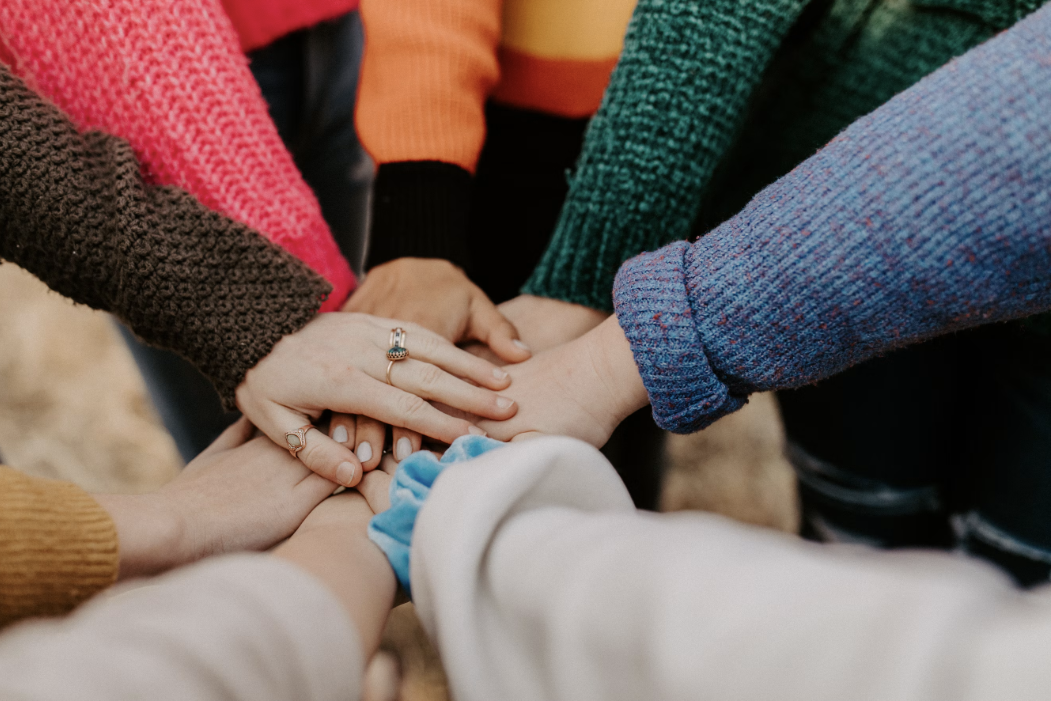
Domestic Violence Awareness Month grew out of a “Day of Unity” that advocates first held in October 1981, and it became a national observance in 1987. National Bullying Prevention Month began in 2006 as a single week led by PACER’s National Bullying Prevention Center and grew into a full month in 2010. Bullying remains common today. In the most recent federal data, about one in five students ages 12 to 18 reported being bullied at school.
What links these causes is not only harm, but hope. The same skills that ease conflict on a playground build healthy relationships across a lifetime: recognizing another person’s feelings, honoring boundaries, handling disagreement without cruelty, and speaking up when something is wrong. Empathy is not a soft extra. It is one of the most powerful forms of prevention we have. Harm often grows in silence and in the belief that cruelty is normal, and empathy interrupts both.
Raising a More Empathetic Generation
If empathy is prevention, the question becomes how we teach it. For a long time, the well-meaning answer to a child’s hard question was to close the door on it. Don’t worry about that. You’ll understand when you’re older. Those responses were meant to protect, but they taught children that some things are not safe to talk about. If we want a kinder society, we have to teach differently, by taking children’s questions seriously and answering them honestly and age-appropriately.

Part of that teaching is helping children understand harm itself. Not everyone who hurts us meant to. Not every mistake we make is who we are. When young people grasp that harm can be unintended, they get better at two things at once: protecting themselves and extending grace to others. They learn to name what hurt without assuming the worst, and to own their missteps without drowning in shame. That is where forgiveness and compassion take root, and for a child it can be the difference between a grudge and a repaired friendship.
None of this is only for children. Patience, empathy, and the humility to hear one another are skills adults are still practicing too. When we model them, imperfectly and out loud, we give young people permission to keep growing. A more empathetic generation is not built through lectures, but through the steady example of adults willing to do the work alongside them.
A kinder community is not built in a single month. It is built in countless ordinary moments, in how we listen, how we respond, and what we choose to model.
If you or someone you know needs support, help is available and confidential. The National Domestic Violence Hotline is open 24/7 at 1-800-799-7233, or text START to 88788. To learn more about preventing bullying, visit StopBullying.gov.
Sources: National Resource Center on Domestic Violence; PACER’s National Bullying Prevention Center; National Center for Education Statistics, Condition of Education 2024 (2021-22 school year data).