
The Monthly Memo

Everyone Needs a Steady Somebody.

Everyone Needs a Steady Somebody

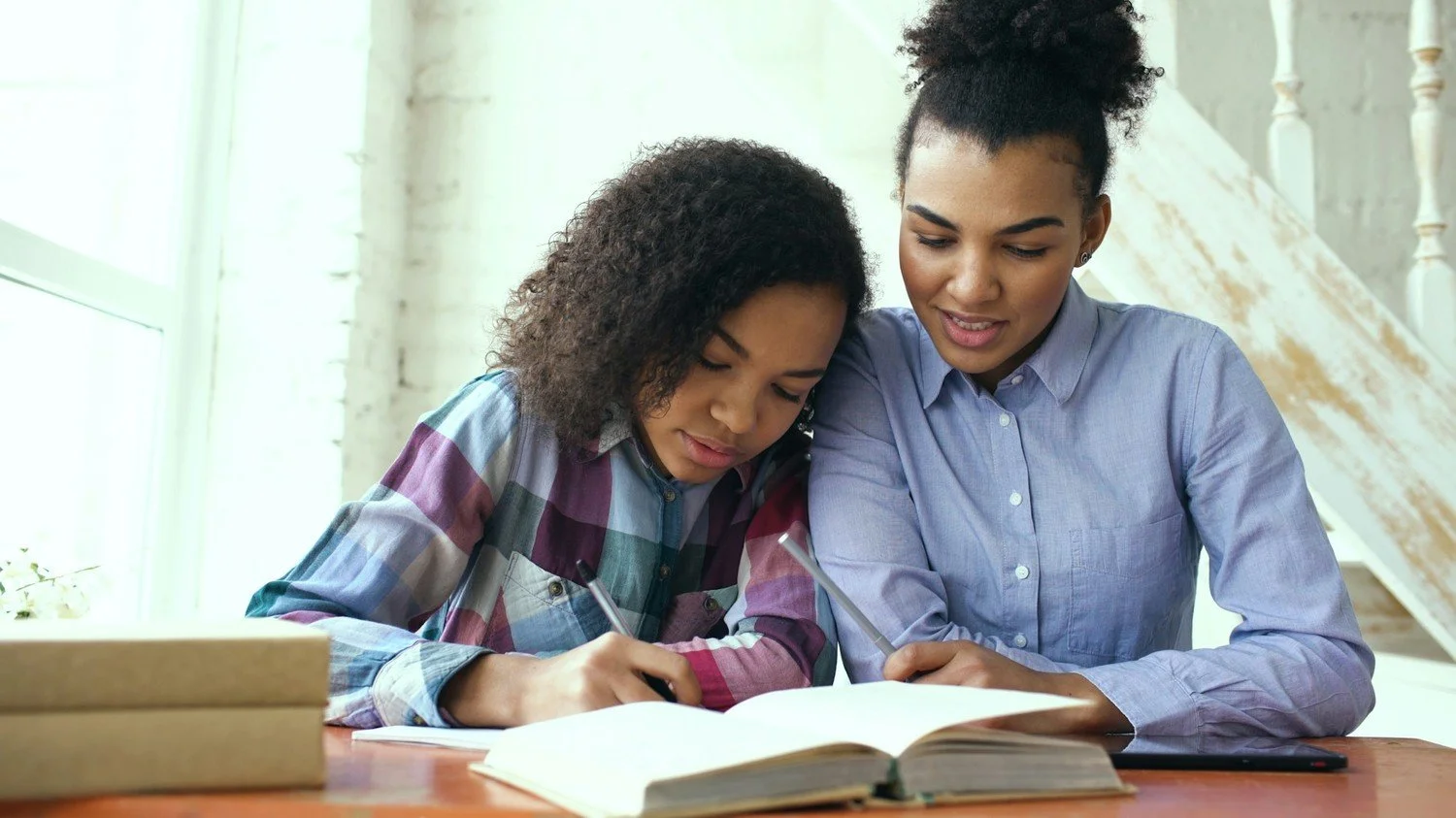
Think back to when you were a kid. Was there one grown-up who made you feel like you mattered? 

Maybe it was a grandparent who always had time to listen, or a coach who saw something in you before you saw it in yourself. Maybe it was the teacher who noticed when you were quiet, a neighbor, an aunt, or the lunch lady who knew your name. 

Most of us can name that person right away. Research says they mattered more than we knew. 

Researchers at Harvard’s Center on the Developing Child have spent years studying why some kids do well even after facing serious hardship. One answer comes up again and again. No matter the source of the hardship, the single most common factor for children who end up doing well is having at least one stable and committed relationship with a supportive parent, caregiver or other adult. 

Not a perfect childhood. Not some special inner toughness. One person who kept showing up. 

That’s because resilience isn’t something kids are simply born with or have to build alone. It grows through relationships. A caring adult helps a child build skills like managing big feelings, planning ahead and adapting when life changes, and those skills carry them for years. 

And it’s never too late. The research shows the skills that help kids bounce back can be strengthened at any age, and supportive adults are a big part of how that happens. 

Being someone’s one doesn’t take a grand gesture. It looks like: 

  • Showing up consistently, even in small ways. 

  •  Noticing when something seems off, and asking about it. 

  •  Listening more than you lecture. 

  •  Remembering what matters to them, like their best friend’s name or the game they’re nervous about. 

  •  Doing what you said you’d do. 

So this Thanksgiving, here’s a challenge in two parts. First, if your person is still around, reach out and tell them what they meant to you. A call, a text or a handwritten note all count. Second, look around at the young people in your life, whether they’re your kids, nieces and nephews, students or the kid next door, and ask yourself who might need you to be their one. 

You don’t have to fix everything. You just have to show up. 

Source: Center on the Developing Child at Harvard University, “Resilience” and “InBrief: The Science of Resilience.” 

Side by Side, Screens Aside

Side by Side, Screens Aside

When was the last time you had a real conversation with a young person in your life? Not “How was school?” “Fine.” An actual conversation where you both forgot your phones existed.

If it’s been a while, you’re not alone. Screens fill a lot of our days, for kids and grown-ups alike. But research keeps pointing to a few simple, free ways to help young people feel better: less screen time, more time outside and more time with each other. 

In one study, families agreed to hand over their phones and tablets for just two weeks. Parents included. By the end, kids had fewer emotional struggles, got along better with their peers and were kinder and more helpful to others. Another new study followed nearly a million young people in New Zealand over six years and found that living near nature, especially a mix of green spaces like parks and blue spaces like lakes and rivers, was linked to better mental health over time. 

None of this means screens are the enemy. Kids just need balance, and the adults around them can help create it. With the holidays coming, here are five easy ways to start: 

Make a screen-free zone. The dinner table, the car or the first 30 minutes after school all work. Put your phone away too. Kids notice. 

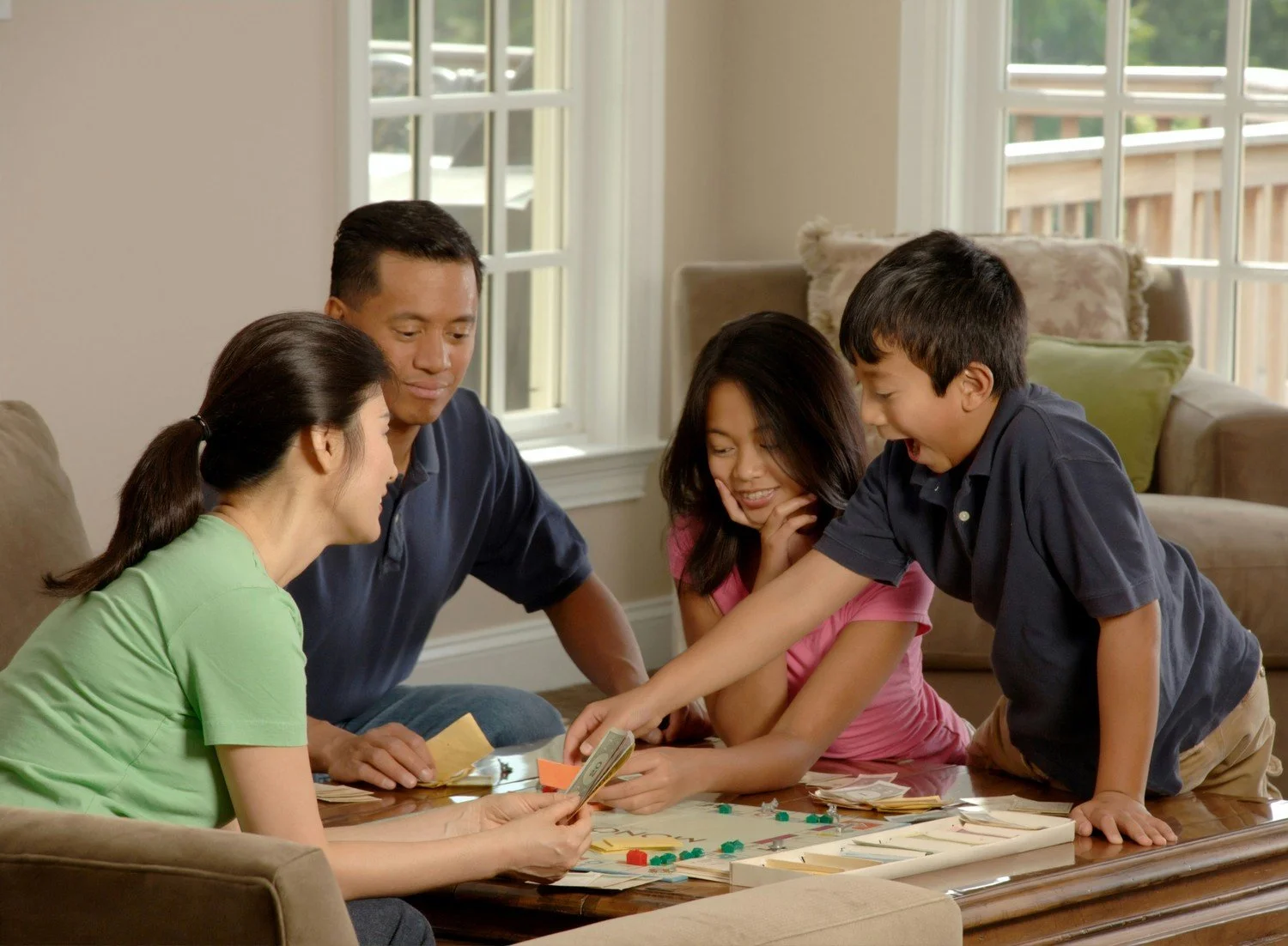
Go outside together, even briefly. A walk around the block or sitting on the porch counts. Side by side, whether outdoors or in the car, conversation often flows more easily than face to face. 

Plan one-on-one time. Even 15 minutes of undivided attention tells a kid they matter. 

Let them lead. Ask about their favorite song, game or friend, and then really listen. 

Keep a conversation starter handy. Sometimes the hardest part is knowing what to say. That’s exactly why we created Growing Sideways, a conversation card game for kids ages 10 to 13 and the trusted adults in their lives. The cards do the asking, so you can just enjoy the conversation. It also makes a great holiday gift. eyesopeniowa.org/growing-sideways 

The best moments with kids are rarely planned or expensive. They happen when we slow down, look up and make room for them. So this week, set the screens aside, sit side by side and see where the conversation goes. 

Sources: Schmidt-Persson et al., “Screen Media Use and Mental Health of Children and Adolescents: A Secondary Analysis of a Randomized Clinical Trial,” JAMA Network Open (2024); Marek et al., “Interconnected environments and the mental health of young people in Aotearoa New Zealand,” Journal of Exposure Science & Environmental Epidemiology (2026), via University of Canterbury, October 12, 2026.