
What If Our Kids Don't Need Us to Fix It?
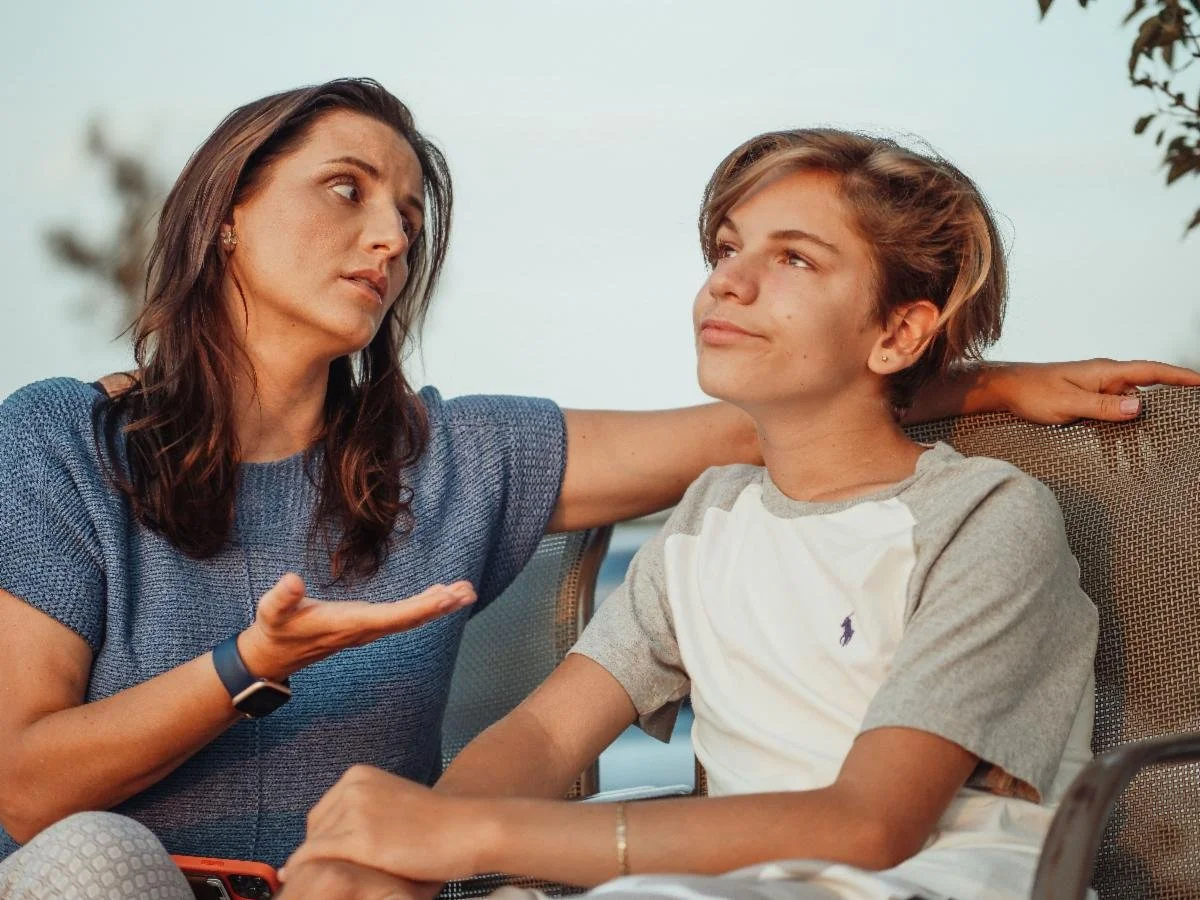
The other day, one of my children came to me with a problem.
I will spare you the details because as my children get older, I am increasingly aware that their stories belong to them and not to me. But suffice it to say: something had happened. My child was upset. And I immediately knew what needed to be done.
Obviously.
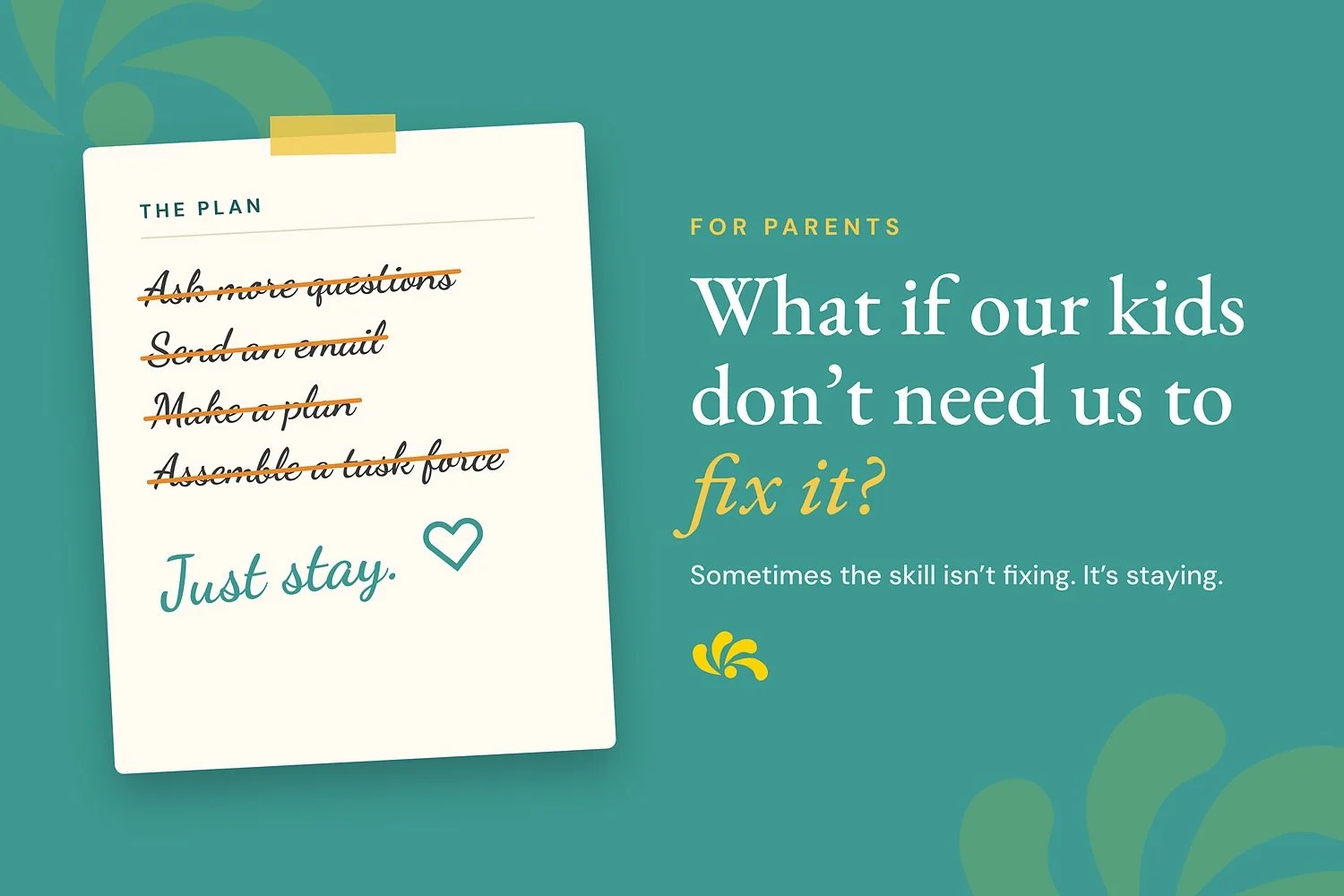
I had questions! Ideas! Strategies! I could send an email! We could make a plan!
Within approximately 30 seconds, I had mentally assembled a small task force to address the situation.
My child, meanwhile, wanted none of this.
Which was annoying, because my plan was excellent.
If you are a parent or caregiver, you probably know this feeling. One of the hardest parts of raising children is watching them experience something difficult when we can see a possible way out.
And when our children are small, fixing things is actually a significant portion of the job.
Toddler can't reach the cup? We get the cup.
Five-year-old can't tie a shoe? We help.
Eight-year-old forgot lunch? We run over to the school and drop off a lunch or send them money to buy one.
But somewhere along the way, the job starts to change.
Increasingly, our children encounter problems that we could potentially fix but perhaps shouldn't:
A friendship is difficult.
They don't know whether they want to go to the party.
Someone said something that hurt their feelings.
They have a teacher they don't like.
They like someone who may or may not like them back. j
They have to decide whether something feels right for them.
And suddenly, the skill we're being asked to practice isn't fixing. j
It's staying.
This is harder than it sounds.
Because when someone we love is uncomfortable, their discomfort often creates discomfort in us. We want the bad feeling to stop. We want to reassure them. We want to tell them what to do.
Sometimes we even mistake our own desire to stop feeling uncomfortable for helping.
So what happens if, every once in a while, we don't?
What if instead of immediately saying, “Here's what I think you should do,” we say:
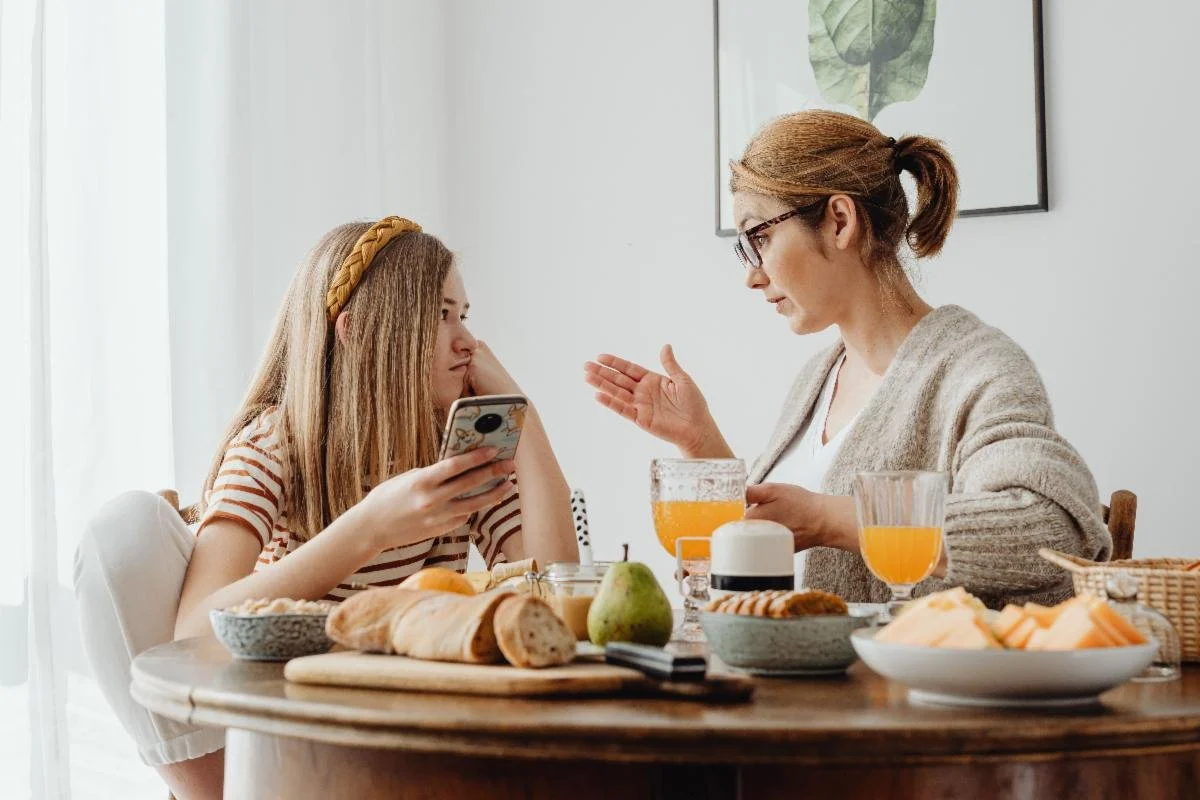
“Tell me more.” Or: “What do you think you want to do?” Or even: “That sounds really hard. Do you want ideas, or do you just want me to listen?” And for extra points, “I want you to know that I understand how bad this feels. I also know you will figure it out.”
This may seem like a general parenting strategy—and it is. But I also think it has everything to do with sex education.
Because someday, our kids will need to make decisions about relationships and bodies and sex when we aren't standing next to them.
They will need to figure out: Do I want this? Do I feel safe? Do I actually like this person? Am I doing this because I want to, or because everyone around me seems to be doing it? Something happened that made me uncomfortable. What do I want to do now?
There is no way to prepare them for every situation they will encounter.
And that's why one of the most important things we can help them develop isn't a list of correct answers.
It's a relationship with their own voice.
We can help them learn that when something feels complicated, they don't have to immediately push the feeling away. They can get curious about it. They can take some time. They can talk to someone they trust.
They can make a decision—and sometimes change that decision later.
And perhaps most importantly, they can learn that the people who love them don't need to take over in order to stay beside them.
I am still practicing this.

Sometimes I manage a calm, “What do you think?” Sometimes I make it approximately four minutes before saying, “Okay, but can I just tell you ONE THING?”
Parenting is a process.
But increasingly, I am trying to remember that my job isn't to make sure my children never struggle. It's to help them become people who trust themselves when they do.
And that may be one of the most important ways we prepare them for everything that comes next.
Gail Cowan, MSW, is EOI's Director of Development. A former therapist, she also runs her own coaching business. Find her at gail@gailcowan.com or gail@eyesopeniowa.org.